





Sections in building design

In terms of design, the term ‘section’ typically refers to a view of a structure as though it has been sliced in half or cut along another imaginary plane, which is generally, but not always a vertical plane. This is represented as a ‘section drawing’ or ‘sectional drawing’. This can be useful when designing or representing structures such as buildings as it gives a view that passes through spaces such as rooms and also through the building fabric, and this can reveal relationships between the parts of the building that might not be apparent on plans or elevations.
For more information, see Section drawing.
In a wider sense, 'section' can also refer to a specific part of a document, regulation, standard or agreement. For example, Section 50 agreement, Section 73 of the Town and Country Planning Act 1990, a planning obligation (section 106), and so on.
It can also be used in relation to a section engineer, the role of which is to lead a team of site engineers, usually on civil engineering and infrastructure projects. They are responsible for all engineering matters related to a project or specific part of a project, such as a road or tunnel. For more information, see Section engineer.
It may also refer to work sections, that is, parts of construction works. For example, NRM2 lists work sections for work section breakdown structures, used to prepare some types of bills of quantities. For more information, see Work section bill of quantities.
[edit] Related articles on Designing Buildings Wiki
Featured articles
Check out some of the best features and news from Designing Buildings as well as key stories from around the web.
Building Safety Regulator, 19 August

Gill Kernick appointed Independent Chair of Residents’ Panel.
Connecting knowledge, technology and conservation
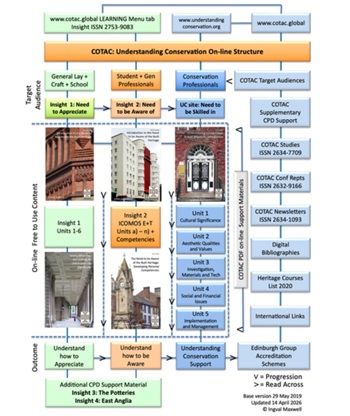
Building competence for the future of built heritage.
Building Regulations and Building Safety Act

CIOB publishes free advice for non-domestic clients.

Building Safety Newsletter from MHCLG.
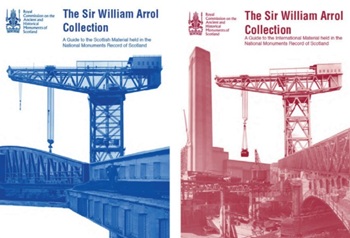
An extraordinary record of steel engineering worldwide.

Households living near new pylons to save on bills.

ECA warns growth must not outpace grid capacity or skills.
The role of the client and decision making

CIOB response to built environment professions call for evidence.
Construction's sustainability reporting revolution
Tracking upfront embodied carbon with digital tools.
ECA welcomes procurement reforms

Public spending must back British jobs and skills.
Campaigning for Edinburgh: the Cockburn Association 1875-2049

The role of the civic voice in protecting character. Book review.

CIOB photography competition is open for entries.
Comments